
BUSINESS
Logisths: Intelligent Supply Chain Management

Logisths is an innovative operational concept that merges logistics management with systems thinking to create smarter, more connected business processes. It provides a structured approach to managing supply chains, information flow, and resource movement efficiently. By integrating technology, predictive planning, and holistic strategies, it enables businesses to anticipate challenges, optimize resources, reduce costs, and enhance overall operational performance in today’s fast-paced and unpredictable market environments.
Table of Contents
A New Paradigm in Operational Management
Logisths introduces a new paradigm in operational management by integrating logistics with systems thinking. It moves beyond traditional linear methods, emphasizing holistic analysis, interconnectivity, and adaptive decision-making. By viewing supply chains, information flows, and resource movement as interconnected systems, businesses can optimize efficiency, anticipate disruptions, and respond proactively. This structured, intelligent approach ensures streamlined operations, improved productivity, and a resilient, future-ready organizational framework.
Integrated Supply Chain Management
Traditional supply chains often function in isolated silos, with procurement, manufacturing, distribution, and sales operating independently. It promotes integration across all supply chain functions, ensuring seamless communication and collaboration.
- Streamlined procurement processes
- Coordinated production schedules
- Optimized transportation and distribution
The result is a supply chain that responds rapidly to market fluctuations, reduces waste, and enhances overall efficiency.
Smart Resource Mobility for Operational Efficiency
Logisths transforms resource management by applying intelligent strategies to the movement and allocation of assets, labor, and equipment. Rather than simply transporting goods, it ensures optimal deployment of resources across the supply chain. By leveraging data-driven insights and predictive planning, businesses can minimize downtime, reduce costs, and enhance productivity. This smart resource mobility also supports sustainable practices, improving efficiency while lowering environmental impact.
Information Flow Optimization
In the digital age, data is a critical asset. Logisths recognizes that information flow is as important as physical movement. By implementing advanced analytics, cloud-based platforms, and real-time reporting systems, businesses can ensure that the right information reaches the right stakeholders at the right time.
- Predictive demand planning
- Risk assessment and mitigation
- Improved decision-making at all operational levels
Proactive Adaptation for Dynamic Markets
Logisths empowers businesses with adaptive and predictive capabilities, enabling them to anticipate challenges before they arise. By analyzing trends, monitoring key performance indicators, and leveraging AI-driven insights, organizations can proactively address supply chain disruptions, demand fluctuations, or operational bottlenecks. This forward-looking approach transforms logistics from a reactive function into a strategic advantage, enhancing resilience, responsiveness, and overall efficiency in fast-paced and unpredictable market environments.
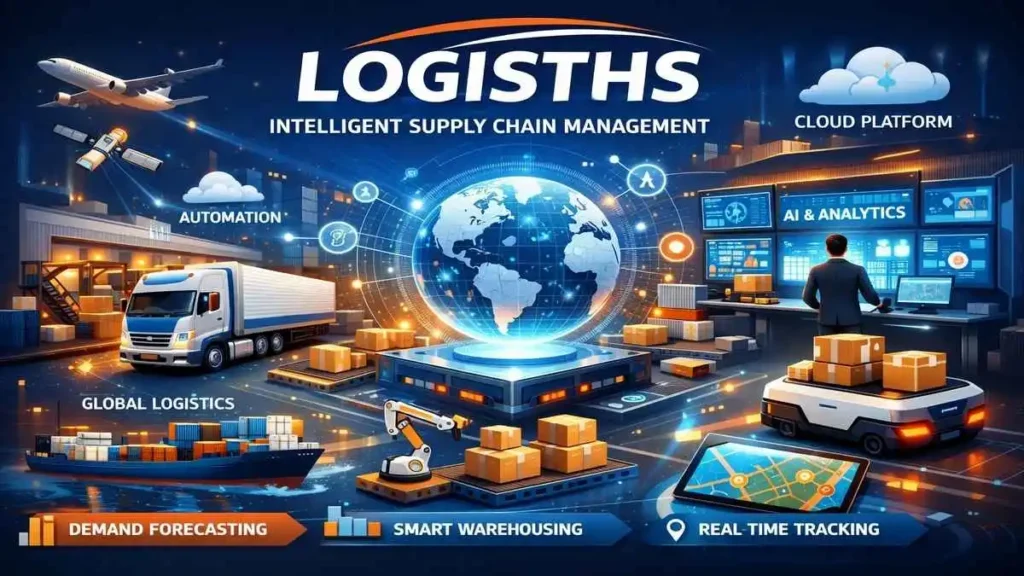
The Role of Systems Thinking in Logisths
Systems thinking is central to the Logisths framework. Instead of optimizing individual components in isolation, systems thinking examines how parts interact within a larger whole. In operational environments, this perspective is critical because improvements in one area can unintentionally create inefficiencies elsewhere.
- Identifying bottlenecks and systemic risks
- Evaluating long-term impacts rather than short-term gains
- Encouraging adaptive, learning-based operations
This approach allows organizations to anticipate consequences, respond to change more effectively, and design processes that remain stable under pressure.
Why Traditional Logistics Falls Short in Modern Environments
Traditional logistics models were developed for relatively stable markets with predictable demand and slower information flow. Today’s business landscape, however, is defined by volatility, rapid innovation, and real-time data exchange.
- Limited visibility across the supply chain
- Reactive rather than proactive planning
- Inefficient information flow between stakeholders
Logisths addresses these limitations by introducing integrated oversight and intelligent coordination. Instead of reacting to disruptions after they occur, organizations using it can detect early warning signals and adapt proactively.
Strategic Benefits of Implementing Logisths
- Enhanced Operational Efficiency: Optimizes processes across the entire supply chain, reducing redundancies and minimizing delays.
- Data-Driven Decision Making: Provides real-time insights, enabling proactive and informed operational choices.
- Improved Supply Chain Visibility: Tracks goods, resources, and information at every stage, ensuring transparency.
- Greater Organizational Agility: Enables quick adaptation to market changes, customer demands, and unexpected disruptions.
Aligning Logisths with Organizational Strategy
Implementing it effectively requires full alignment with organizational goals. Cross-functional collaboration ensures logistics, production, and finance work cohesively, while system-wide performance metrics track efficiency and resilience. Training teams in systems thinking and data-driven decision-making supports sustainable adoption. Proper alignment transforms it into a strategic enabler, boosting operational agility, reducing risks, and driving long-term growth.
Case Examples of Logisths in Action
Several organizations across industries have begun adopting Logisths principles:
- Manufacturing Firms: By integrating production schedules with predictive maintenance systems, manufacturers reduce downtime and improve throughput.
- Retail Chains: Retailers use it to synchronize inventory across warehouses and stores, ensuring product availability while reducing overstock.
- E-commerce Platforms: Intelligent logistics networks allow for faster, more accurate deliveries, enhancing customer satisfaction and retention.
FAQs
Q1: Which industries can implement Logisths?
It is applicable across various sectors, including manufacturing, retail, e-commerce, logistics, and supply chain management, wherever complex operations and resource coordination are critical.
Q2: What technologies support Logisths?
Technologies like IoT (Internet of Things), AI and machine learning, ERP systems, and blockchain enable real-time tracking, predictive analytics, and secure, transparent supply chain management in it.
Q3: Is implementing Logisths challenging?
While it offers significant advantages, it requires organizational change, investment in technology, employee training, and robust data management to ensure successful adoption.
Final Thought
Logisths empowers organizations to navigate complexity with intelligence and agility. By connecting processes, resources, and information, businesses can anticipate challenges, respond quickly, and optimize performance. It fosters continuous learning, innovation, and collaboration, turning operational insights into actionable strategies. Embracing Logisths creates resilience and a sustainable competitive edge in today’s fast-changing business landscape.


Geekzilla Podcast: Best Hub for Geek Discussions

Calibration Explained: Accurate Measurement Guide

MangaPill Explained: Free Manga Access Pros & Cons

How ins Reflects True Identity and Awareness

Snokido: Free Unblocked Online Games Play Instantly

What Is Milyom? The Emerging Digital Lifestyle & Creative Shift

NTDTVJP: Authentic Japanese News & Culture Online

GifHQ: Find, Share & Download Animated GIFs Easily

Cesta Roman: Ancient Roman Roads and Lasting Influence

Logisths: Intelligent Supply Chain Management

CDiphone Smartphone: AI, Modular Design & Creative Power

Discover Pizokeelio: Modern Digital Naming Trends

Discover Yalla Choy: Tea, Tradition & Togetherness

Epcylon Technologies Inc: Real-Time FinTech Trading Solutions

Onnilaina Online Loans: Fast, Secure & User-Friendly

Pasonet: Fast & Secure Digital Payment Gateway Solution

Musté: Embrace Pure, Authentic, and Untouched Originality

Shani Levni: Innovative Art and Storytelling Vision

Lifestyle & Fashion Trends: Express Your True Identity

Instablu: Authentic Visual Storytelling Social Platform
-

 FRIENDSHIP MESSAGES6 months ago
100+ Heart Touching Sorry Messages for Friends
-

 ANNIVERSARY WISHES9 months ago
100+ Beautiful Engagement Anniversary Wishes Messages and Quotes
-

 BIRTHDAY WISHES9 months ago
300+ Happy Birthday Wishes for Brother | Heart Touching Happy Birthday Brother
-

 BIRTHDAY WISHES9 months ago
200+ Unique Birthday Wishes for Your Best Friend to Impress on Their Big Day