
BLOG
Cesta Roman: Ancient Roman Roads and Lasting Influence

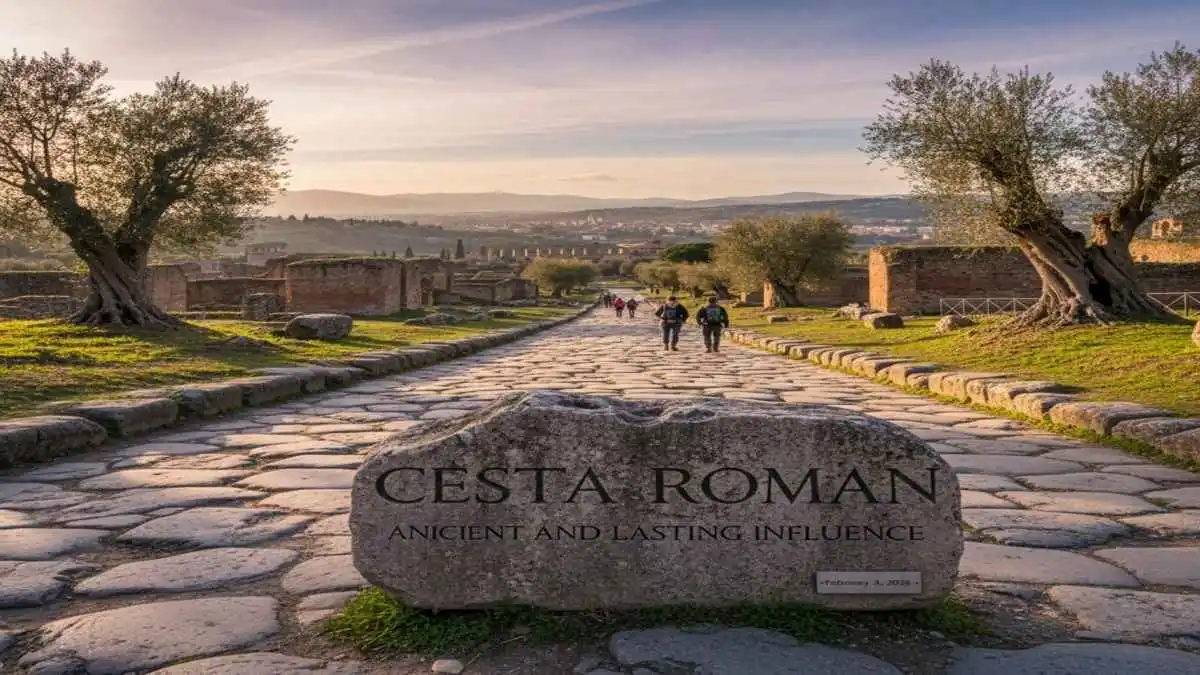
Cesta Roman is a historical concept linking two significant elements of European heritage: the Cesta Tower in San Marino and the expansive network of Roman roads across Central and Southern Europe. The Cesta Tower, built on enduring Roman foundations, showcases medieval defensive architecture influenced by ancient engineering, while Roman roads facilitated trade, communication, and cultural exchange. The term cesta, meaning “road” in Slovene and other Slavic languages, underscores the enduring legacy of Roman infrastructure and its impact on European history.
Table of Contents
The Historical Significance of the Cesta Tower
The Cesta Tower, also known as Fratta, is a medieval fortress in San Marino built atop enduring Roman foundations. Strategically perched on Mount Titano, it served as a defensive stronghold and lookout, reflecting centuries of military planning. Its architecture combines medieval design with Roman engineering principles, emphasizing durability and strategic placement. Beyond defense, the tower symbolizes San Marino’s cultural heritage and independence, preserving the legacy of Roman construction while illustrating the continuity of European architectural innovation.
Cesta Tower: A Medieval Stronghold on Roman Foundations
The Cesta Roman Tower, perched on Monte Titano in San Marino, is a striking example of medieval defense built upon enduring Roman foundations. Constructed to guard strategic routes and borders, the fortress reused Roman stonework and positioning principles for strength and longevity. This architectural continuity reflects how Roman engineering knowledge influenced medieval military design and ensured the tower’s resilience across centuries.
Roman Roads: Pathways of Power and Civilization
Roman roads formed the backbone of the empire, enabling swift military movement, efficient trade, and centralized administration. Built with advanced engineering techniques and durable materials, these roads connected distant regions of Europe and beyond. More than transportation routes, they facilitated cultural exchange, economic growth, and the spread of ideas, leaving a lasting imprint on European development and modern infrastructure.
Cultural and Historical Significance
- Engineering Excellence: Both Roman roads and the Cesta Tower exemplify the technical proficiency of Roman and medieval engineers. Roman roads showcased precise surveying, durable materials, and long-term planning, while the tower demonstrated the effective use of high-ground positioning, stone masonry, and fortified design.
- Strategic Planning: The placement of roads and fortresses reflects careful consideration of geography and logistics. Roman roads often followed direct routes between cities and military outposts, facilitating efficient troop movements. Similarly, the Cesta Roman Tower’s location optimized visibility and defense, demonstrating strategic foresight.
- Cultural Continuity: Roman influence persisted long after the empire’s decline. The survival of Roman roads in Europe, the adoption of Roman construction techniques, and the enduring presence of terms like cesta illustrate how cultural elements were assimilated into medieval and modern contexts.
Connecting the Tower and the Roads: A Unified Concept
The idea of Cesta Roman brings together the Cesta Tower of San Marino and the ancient Roman road networks as one unified historical narrative. Although different in form, both share Roman foundations and engineering influence. The tower reflects vertical defense and authority, while the roads represent horizontal movement and connection. Together, they symbolize continuity, resilience, and the lasting impact of Roman civilization on European heritage.
Cesta Roman in Modern Context
- Urban Planning: Modern cities often reflect the layout of Roman roads, influencing street grids, transportation routes, and city boundaries.
- Cultural Heritage Tourism: Both the Cesta Roman Tower and Roman roads attract visitors interested in history, architecture, and archaeology. Museums, guided tours, and cultural events leverage these landmarks to educate the public.
- Academic Research: Scholars of medieval and Roman history study these sites to understand technological evolution, trade networks, and military strategies.
- Symbolic Usage: The term cesta and the concept of connecting past infrastructure with present identity serve as metaphors in literature, education, and cultural discourse
Linguistic and Symbolic Connections
The term cesta, meaning “road” in Slovene and other Slavic languages, creates a powerful linguistic link to ancient Roman pathways. This shared vocabulary reflects how Roman infrastructure influenced not only physical landscapes but also language and cultural memory. Symbolically, Cesta Roman represents connection, movement, and continuity, highlighting how Roman engineering and ideas shaped European identity across centuries and remain embedded in modern expressions of heritage.
Lessons from Cesta Roman
Studying Cesta Roman imparts several lessons relevant to modern audiences:
- Integration of Knowledge: Engineering, linguistics, and cultural studies converge, emphasizing the importance of interdisciplinary approaches to understanding history.
- Sustainability of Design: Roman roads lasted millennia, and medieval fortresses like Cesta Tower remain intact, an example of building with long-term resilience in mind.
- Preservation of Heritage: Protecting historical sites allows future generations to access and learn from tangible links to the past.
- Cultural Connectivity: Roads and towers were more than physical constructs, they facilitated exchange, communication, and the blending of cultures, reminding us that infrastructure shapes society.
Final Thought
Cesta Roman reminds us that history is not made of isolated monuments or forgotten paths, but of connections that endure over time. From elevated towers to enduring roadways, the legacy of Roman influence continues to shape how Europe remembers its past. These links encourage reflection on continuity, shared heritage, and the human desire to build structures and routes that outlast generations and connect cultures across centuries.


Geekzilla Podcast: Best Hub for Geek Discussions

Calibration Explained: Accurate Measurement Guide

MangaPill Explained: Free Manga Access Pros & Cons

How ins Reflects True Identity and Awareness

Snokido: Free Unblocked Online Games Play Instantly

What Is Milyom? The Emerging Digital Lifestyle & Creative Shift

NTDTVJP: Authentic Japanese News & Culture Online

GifHQ: Find, Share & Download Animated GIFs Easily

Cesta Roman: Ancient Roman Roads and Lasting Influence

Logisths: Intelligent Supply Chain Management

CDiphone Smartphone: AI, Modular Design & Creative Power

Discover Pizokeelio: Modern Digital Naming Trends

Discover Yalla Choy: Tea, Tradition & Togetherness

Epcylon Technologies Inc: Real-Time FinTech Trading Solutions

Onnilaina Online Loans: Fast, Secure & User-Friendly

Pasonet: Fast & Secure Digital Payment Gateway Solution

Musté: Embrace Pure, Authentic, and Untouched Originality

Shani Levni: Innovative Art and Storytelling Vision

Lifestyle & Fashion Trends: Express Your True Identity

Instablu: Authentic Visual Storytelling Social Platform
-

 FRIENDSHIP MESSAGES6 months ago
100+ Heart Touching Sorry Messages for Friends
-

 ANNIVERSARY WISHES9 months ago
100+ Beautiful Engagement Anniversary Wishes Messages and Quotes
-

 BIRTHDAY WISHES9 months ago
300+ Happy Birthday Wishes for Brother | Heart Touching Happy Birthday Brother
-

 BIRTHDAY WISHES9 months ago
200+ Unique Birthday Wishes for Your Best Friend to Impress on Their Big Day