
FOOD AND DRINKS
Babybelletje: The Dutch Little Babybel Cheese Explained

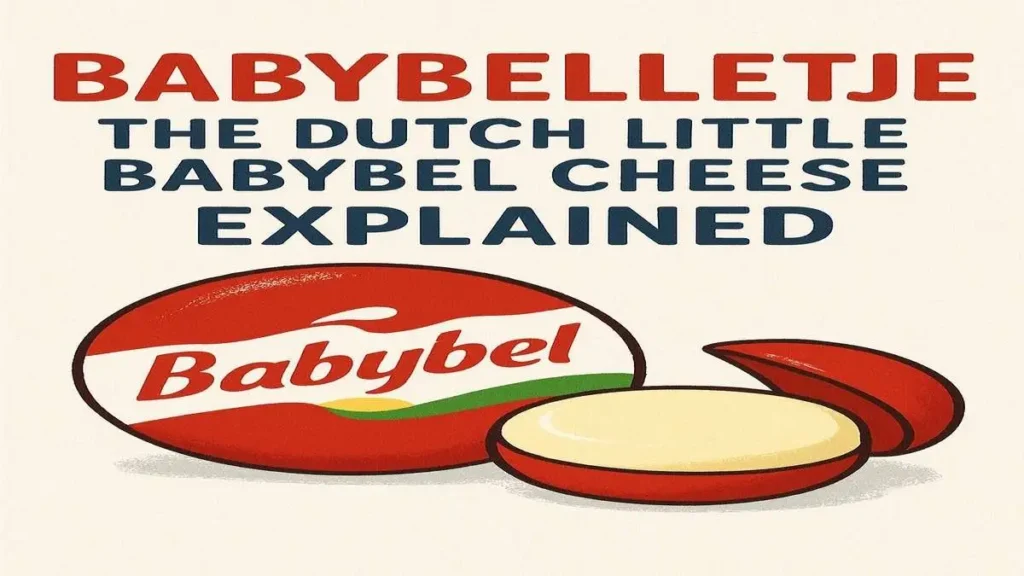
Babybelletje, a Dutch-influenced term meaning “little Babybel,” is the affectionate name for Mini Babybel cheese, those iconic small, round cheeses wrapped in bright red wax. Known for their creamy, mild flavor and convenient size, Mini Babybel is a favorite snack among children and adults alike. Perfect for lunchboxes, picnics, or on-the-go moments, they combine fun presentation with practical nutrition. More than just cheese, it represents a global snacking tradition that blends taste, convenience, and playful charm.
Table of Contents
The Origin of Babybel and Its Dutch Connection
The origin of Babybelletje traces back to France in 1952, when the Bel Group introduced Babybel cheese as a modern, pasteurized alternative. In 1977, Mini Babybel was launched, revolutionizing snacking with its red wax coating and portable design. The Dutch affectionate term MiniBabybel, meaning “little Babybel,” soon followed, reflecting both its size and playful character. Since then, it has become a beloved snack across Europe and worldwide.
How Babybelletje Cheese Is Made
The Journey of Fresh Milk
The journey of fresh milk begins at trusted dairy farms, where it is carefully collected, tested for purity, pasteurized, and standardized to ensure the creamy, consistent quality essential for every Mini Babybel.
Transforming Milk into Cheese
Milk is gently pasteurized, then combined with natural rennet to form curds. These curds are cut, cooked, and separated from whey, creating the smooth, creamy base that becomes every Mini Babybel cheese.
Shaping the Mini Rounds
The curds are placed into small, round molds and gently pressed, forming the Mini Babybel signature shape. This step ensures a firm yet creamy texture, making the cheese both snackable and visually distinctive.
Flavor Building
Babybelletjes are brined for taste and preservation, then gently ripened, developing their mild, creamy flavor and smooth, nutty cheese texture.
The Signature Wax Coating
Each Mini Babybel is sealed in bright red wax, preserving freshness, protecting from bacteria, and adding the playful, iconic charm loved worldwide.
Nutrition: A Balanced Snack Choice
| Nutrient | Per Mini Babybel (20g) | Benefits |
| Calories | ~70 kcal | Provides quick energy in a portion size |
| Protein | ~5 g | Supports muscle growth and repair |
| Fat | ~5 g | Source of energy; contains healthy fats |
| Saturated Fat | ~3 g | Should be enjoyed in moderation |
| Calcium | ~150 mg (≈10% DV) | Strengthens bones and teeth |
| Sodium | ~160 mg | Helps balance fluids; monitor intake |
Distinctive Features: More Than Just Cheese
What sets Babybelletjes apart from other snack cheeses is their instantly recognizable appearance. Each cheese is:
- Encased in red wax: This iconic coating doesn’t just serve as decoration. It protects the cheese from drying out, shields it from contaminants, and makes it portable. The peelable wax has even become a fun ritual for children and adults alike.
- Perfectly portioned: At around 20 grams per piece, Mini Babybel is a natural fit for portion control, aligning with modern preferences for balanced snacking.
- Creamy and mild in flavor: Unlike sharp or pungent cheeses, it appeals to a broad audience, from young children to adults seeking a light, versatile taste.
Babybelletjes in Daily Life
It has become a global icon, but its practicality and charm shine most in everyday scenarios:
- For Children: A safe, mild cheese wrapped in a fun package, perfect for lunchboxes.
- For Adults: A quick source of protein and calcium for busy professionals.
- For Families: A shared snack that bridges generations, enjoyed on road trips, picnics, or casual gatherings.
In Dutch households, where cheese is already a staple of daily life, the Mini Babybel is often used as a bridge between traditional cheese culture and modern, convenience-focused snacking.
Babybelletjes Around the World
Though Dutch culture has given us the affectionate term “Babybelletje,” the cheese enjoys popularity across continents. In France, the UK, the US, and beyond, Mini Babybel has become a familiar household name. Interestingly, the product often adapts to local markets with slight variations in cheese type (such as cheddar-style Babybel in the UK) while still retaining its global identity.
Cultural Significance of Babybelletjes
In the Netherlands, where cheese holds near-iconic status, Babybelletjes are seen as a modern and playful complement to the more traditional cheeses like Gouda or Edam. They represent:
- Modern Snacking: Convenient, portable cheese designed for fast-paced lives.
- Child-Friendly Eating: Encouraging children to enjoy cheese from a young age.
- International Influence: A product that blends French innovation with Dutch linguistic charm.
By calling them MiniBabybel, Dutch speakers highlight both the product’s small size and the affection with which it is viewed.
Why Babybelletjes Stand Out in a Crowded Market
The snack food market is filled with choices, yet Mini Babybel stands out because it combines tradition, innovation, and emotional appeal. Unlike potato chips or processed snack bars, they carry the wholesome heritage of cheese-making while still fitting modern expectations for convenience. Their playful, interactive design makes them memorable in ways few other snacks can match.
FAQs
Q1: Can you eat the wax on a Babybelletje?
No, the red wax is not edible. It is designed solely as a protective coating.
Q2: Are Babybelletjes healthy?
In moderation, yes. They provide calcium and protein, but like any cheese, they also contain fat and sodium.
Q3: How long do Babybelletjes last?
Thanks to their wax coating, they stay fresh for weeks when stored properly in the refrigerator.
Final Thought
Babybelletjes prove that great things come in small packages. From fresh milk to the playful red wax, every step ensures quality, taste, and fun. Loved by children and adults worldwide, these little cheeses combine convenience, nutrition, and charm. Whether in a lunchbox, picnic, or quick snack, it remains a timeless symbol of joyful, wholesome eating.


Snokido: Free Unblocked Online Games Play Instantly

What Is Milyom? The Emerging Digital Lifestyle & Creative Shift

NTDTVJP: Authentic Japanese News & Culture Online

GifHQ: Find, Share & Download Animated GIFs Easily

Cesta Roman: Ancient Roman Roads and Lasting Influence

Logisths: Intelligent Supply Chain Management

CDiphone Smartphone: AI, Modular Design & Creative Power

Discover Pizokeelio: Modern Digital Naming Trends

Discover Yalla Choy: Tea, Tradition & Togetherness

Epcylon Technologies Inc: Real-Time FinTech Trading Solutions

Onnilaina Online Loans: Fast, Secure & User-Friendly

Pasonet: Fast & Secure Digital Payment Gateway Solution

Musté: Embrace Pure, Authentic, and Untouched Originality

Shani Levni: Innovative Art and Storytelling Vision

Lifestyle & Fashion Trends: Express Your True Identity

Instablu: Authentic Visual Storytelling Social Platform

Discover Kibard: Versatile Keyboards for Work & Play

Scrolller: Smooth Infinite Scrolling for Reddit Media

Thank You Coach Messages & Cards

TransDS Explained: Dynamic Data Integration Tool
-

 FRIENDSHIP MESSAGES5 months ago
100+ Heart Touching Sorry Messages for Friends
-

 ANNIVERSARY WISHES9 months ago
100+ Beautiful Engagement Anniversary Wishes Messages and Quotes
-

 BIRTHDAY WISHES9 months ago
300+ Happy Birthday Wishes for Brother | Heart Touching Happy Birthday Brother
-

 BIRTHDAY WISHES9 months ago
200+ Unique Birthday Wishes for Your Best Friend to Impress on Their Big Day