
BLOG
Çbiri: A Historic Turkish Game of Strategy & Skill

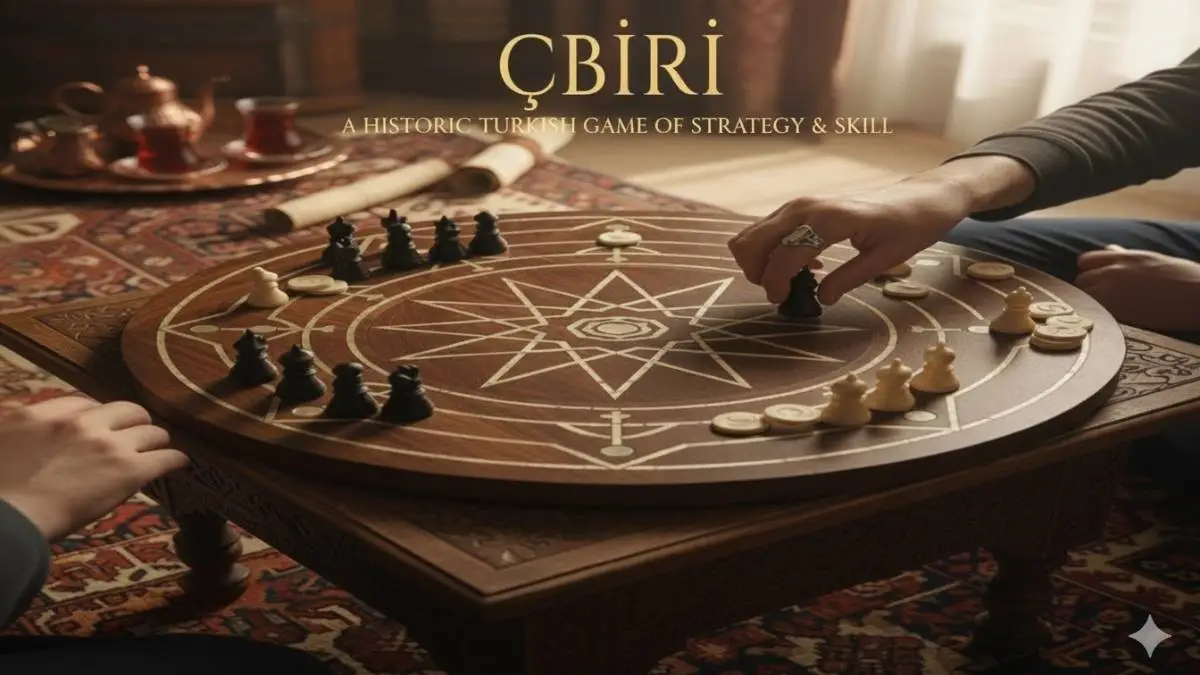
Çbiri is an ancient Turkish strategy board game that originated among the nomadic Turkic tribes of Central Asia. Often compared to a blend of chess and checkers, it challenges players to outwit their opponent through strategic moves and tactical foresight. Played on a square board with distinct pieces, the goal is to capture or block all opposing pieces. Beyond mere entertainment, Çbiri holds deep cultural significance, symbolizing intelligence, patience, and intergenerational connection within Turkish tradition.
Table of Contents
Origins of Çbiri: A Journey Through Central Asian Steppes
Çbiri traces its origins to the vast steppes of Central Asia, where ancient Turkic nomads developed it as both a pastime and a training tool for strategy and foresight. Played with carved stones or bones on simple hand-drawn grids, the game mirrored the tactical challenges of tribal warfare and survival. As Turkic tribes migrated westward, Çbiri evolved into a structured board game, reflecting their values of intellect, adaptability, and balance. Over centuries, it became an enduring symbol of cultural identity, linking generations through shared wisdom and the art of strategic thinking.
The Board and Its Design
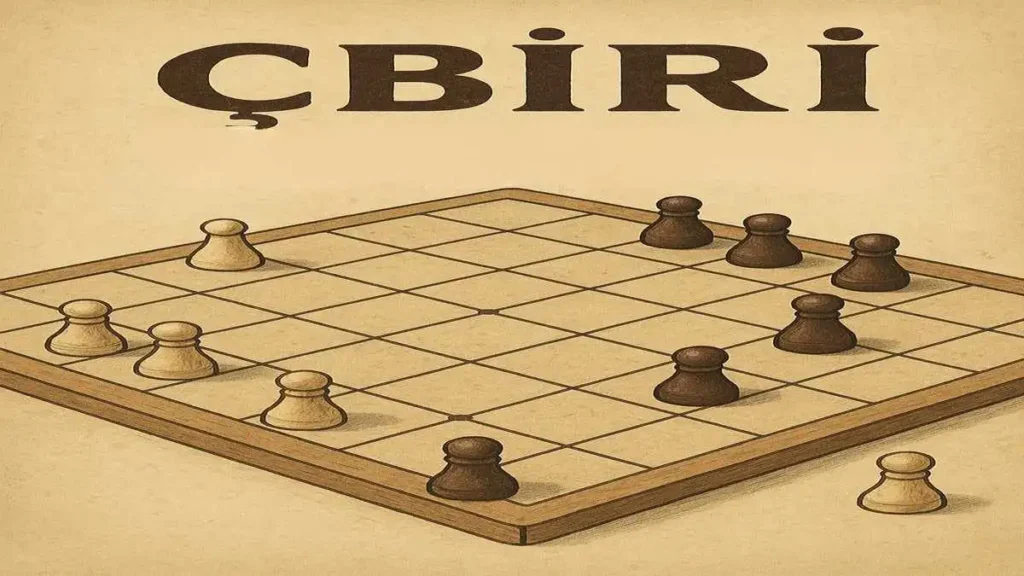
The Çbiri board is traditionally a square wooden grid, usually 9×9 or 11×11, marked with intersecting lines that guide the movement of pieces. Each player uses carved stones, bones, or wooden tokens, symbolizing warriors on a battlefield. The board’s geometric layout represents order, logic, and balance, core elements of Turkic philosophy. Often adorned with traditional motifs, it reflects artistic craftsmanship and cultural symbolism, turning the game into both a strategic challenge and a beautiful artifact of Turkish heritage.
Rules and Gameplay
While regional variations exist, the general structure of Çbiri remains consistent across traditions. It is a two-player game that combines elements of territorial control, strategic movement, and tactical capture, resembling a balance between chess’s complexity and checkers’ fluidity.
1. Objective
The primary goal is to either capture all of the opponent’s pieces or block them completely, leaving them unable to make any legal moves.
2. Setup
Each player arranges their pieces on opposite sides of the board, similar to a battlefield. The central rows are initially left open, allowing for strategic engagement.
3. Movement
Pieces move diagonally or along intersecting lines, depending on the version played. Some variations allow for multi-step moves if an opponent’s piece can be captured.
4. Capturing
A player can capture an opponent’s piece by sandwiching it between two of their own, an idea inspired by encirclement tactics used in Turkic warfare.
5. Victory
The game ends when one player either eliminates all the opponent’s pieces or successfully prevents any further moves, signifying total strategic dominance.
Cultural Significance in Turkish Society
In Turkish society, Çbiri has long been more than a game; it is a vessel of tradition and intellect. Historically, it brought families and communities together, offering a shared space for learning, storytelling, and intergenerational bonding. Elders often used it to teach patience, foresight, and respect for wisdom, making it a valuable cultural and educational tool.
Beyond recreation, it symbolizes the Turkish spirit of strategy, resilience, and harmony. Its continued presence at cultural festivals and community gatherings reflects a collective effort to preserve ancestral heritage while inspiring younger generations to embrace their cultural roots through mindful play.
Educational and Cognitive Benefits
Modern educational research has begun to acknowledge what the Turkic people knew centuries ago, that strategic board games like Çbiri significantly enhance cognitive development.
- Analytical Thinking: Evaluating patterns and predicting outcomes.
- Memory Retention: Remembering sequences, past moves, and strategies.
- Problem-Solving Skills: Making calculated decisions under pressure.
- Patience and Discipline: Waiting for the right moment to act.
Beyond mental agility, the game fosters emotional intelligence by teaching resilience after loss and humility in victory, values crucial both in gaming and in life.
Çbiri in the Modern Era
Çbiri is experiencing a cultural revival through museums, educational programs, and digital adaptations. Turkish cultural organizations are reintroducing the game to younger audiences, emphasizing its historical and intellectual value. Modern artisans craft traditional boards, while digital versions make it accessible globally. Schools and cultural centers use it to promote strategic thinking and heritage appreciation, ensuring that this ancient game continues to thrive as both a symbol of wisdom and a bridge between past and present.
Common Mistakes Beginners Make in Çbiri
- Ignoring Board Control: Focusing only on capturing pieces instead of maintaining control over key areas of the board.
- Playing Without Strategy: Making random moves without planning ahead or anticipating the opponent’s response.
- Neglecting Defense: Overcommitting to attacks while leaving important positions unprotected.
- Misjudging Encirclement: Failing to recognize when their own pieces are at risk of being surrounded and captured.
- Rushing Moves: Playing too quickly instead of analyzing the long-term effects of each move.
Why Çbiri Belongs on Every Family Game Night
Çbiri is the perfect blend of fun, strategy, and cultural connection for family game nights. It encourages critical thinking, teamwork, and patience while bringing generations together in a shared intellectual challenge. Unlike fast-paced digital games, it promotes meaningful interaction and thoughtful play, making it ideal for quality family time. Its easy-to-learn yet deeply strategic nature ensures everyone, from children to adults, can enjoy and bond over this timeless Turkish tradition.
FAQs
Q1: Is Çbiri still played today?
Yes, it is still played, particularly in cultural and educational settings in Turkey and Central Asia. Modern versions have even been adapted for online play.
Q2: How is Çbiri different from chess or checkers?
It combines the tactical capturing of checkers with the strategic foresight of chess, but focuses more on territorial control and encirclement strategies.
Q3: What materials are used for a traditional Çbiri set?
Traditional sets were crafted from wood, bone, or stone, while modern sets may use polished wood or decorative inlays.
Final Thought
Çbiri is far more than an ancient Turkish board game; it’s a timeless reflection of strategy, patience, and intellect. Rooted in the traditions of nomadic Turkic tribes, it continues to inspire modern players with its depth and cultural significance. It experiences a revival, it reminds us that true mastery lies not in luck but in foresight, wisdom, and the art of thoughtful decision-making.


DualMedia Esports: Rising Force in Competitive Gaming

Uncuymaza: Top Private University in Mendoza

OnionPlay Explained: Free Movie Streaming Platform Guide

Swedish Bjudlunch: The Art of Relaxed Hosting

Fanquer Concept: New Era of Fan Engagement Platforms

VHSGJQM Framework for Business Efficiency & Growth

Pravi Celer: Health Benefits, Uses & Nutrition Guide

Enntal Framework: Smarter Living in a Digital World

Cinndymovies Explained: Risks, Legality & Safety Guide

Provascin Review: Heart & Glucose Support Formula

TxMyZone Review 2026: Powerful Networking Redefined

Picada Food: From Sharing Boards to Rich Sauces

Pyjamaspapper: Stylish Comfort Meets Cozy Living Trend

Katy Davis Suffield Profile: Success, Work & Impact

Geekzilla Podcast: Best Hub for Geek Discussions

Calibration Explained: Accurate Measurement Guide

MangaPill Explained: Free Manga Access Pros & Cons

How ins Reflects True Identity and Awareness

Snokido: Free Unblocked Online Games Play Instantly

What Is Milyom? The Emerging Digital Lifestyle & Creative Shift
-

 FRIENDSHIP MESSAGES8 months ago
100+ Heart Touching Sorry Messages for Friends
-

 ANNIVERSARY WISHES12 months ago
100+ Beautiful Engagement Anniversary Wishes Messages and Quotes
-

 BIRTHDAY WISHES11 months ago
300+ Happy Birthday Wishes for Brother | Heart Touching Happy Birthday Brother
-

 FRIENDSHIP MESSAGES9 months ago
80+ Emotional Friendship Messages & Quotes