
FOOD AND DRINKS
Discover Foenegriek: Nutrition, History, and Remedies

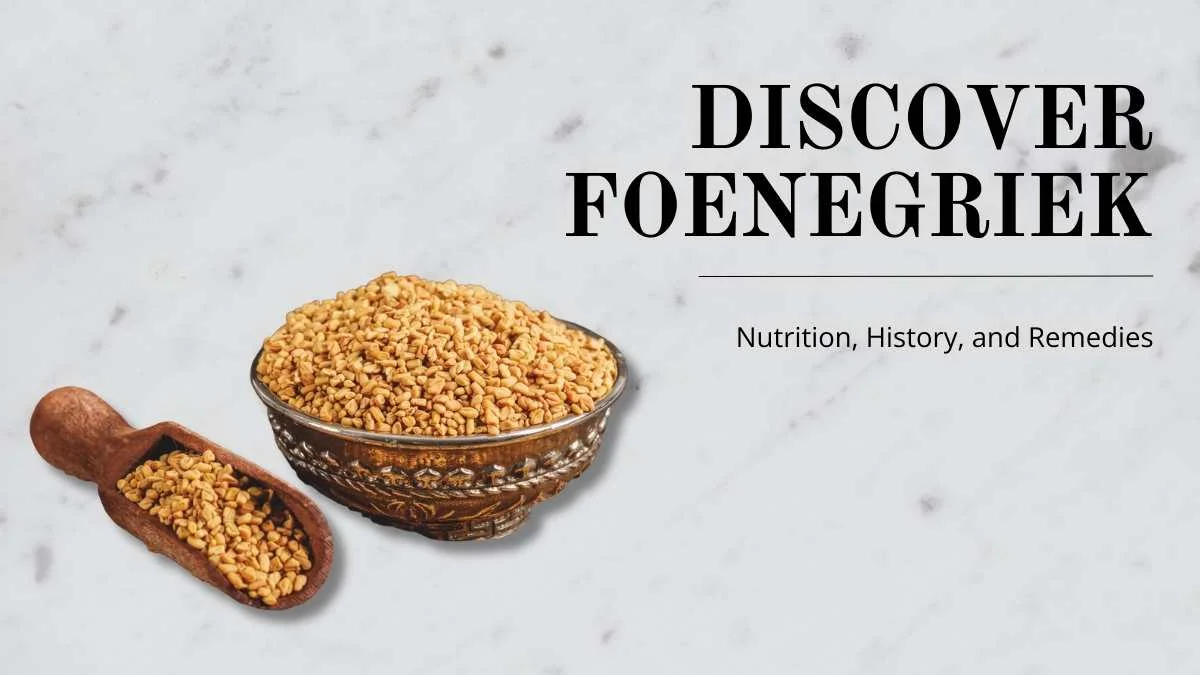
Foenegriek is the Dutch word for fenugreek (Trigonella foenum-graecum), a herbaceous plant from the legume family prized for its culinary and medicinal uses. Known for its small yellow-brown seeds and slightly nutty, bitter taste, foenegriek plays a central role in spice blends like curry powder and in traditional dishes across India, the Middle East, and North Africa.
Beyond food, foenegriek is equally valued as an herbal remedy. It has long been used to support digestion, improve lactation in nursing mothers, and help regulate blood sugar levels. Today, it is recognized as a versatile plant that blends flavor, nutrition, and natural healing, making it as relevant in modern kitchens and health practices as it was in ancient times.
Table of Contents
Historical and Cultural Significance
Foenegriek has been cultivated for more than 6,000 years. Ancient Egyptians used fenugreek in medicine and embalming, while Greeks and Romans prescribed it for digestive and respiratory issues. In Ayurveda, methi (the Indian name for foenegriek) is praised for balancing the body and aiding metabolism.
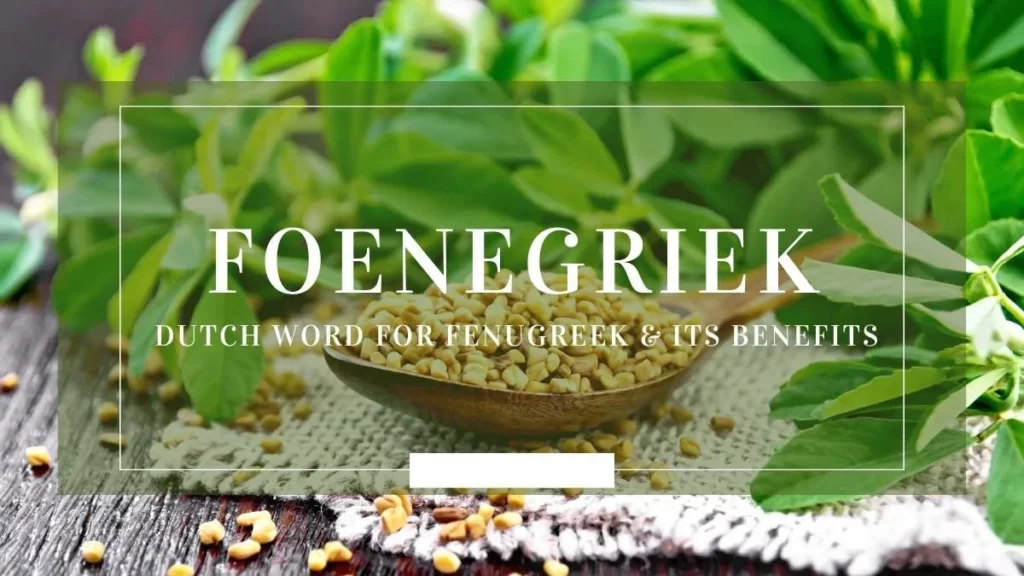
In the Netherlands, the word foenegriek highlights the spice’s journey through global trade routes, connecting Europe with Asia and the Middle East. Today, it is a staple in traditional cuisines, herbal practices, and modern wellness industries.
Botanical Snapshot
- Scientific name: Trigonella foenum-graecum
- Family: Fabaceae (legumes)
- Plant type: Annual herb
- Height: Up to 60 cm
- Leaves: Small, trifoliate green leaves
- Seeds: Angular, hard, yellow-brown with maple-like aroma
Foenegriek thrives in warm climates and is mainly grown in India, Egypt, Morocco, and Mediterranean regions.
Culinary Applications
Seeds in Everyday Cooking
- Ground into curry powders and spice pastes.
- Used in Ethiopian berbere mix for stews.
- Added to chutneys, pickles, and bread dough.
Fresh and Dried Leaves
- Fresh methi leaves cooked with potatoes or lentils.
- Flatbreads like methi paratha in India.
- Dried leaves (kasuri methi) sprinkled over curries for aroma.
Flavor Enhancer
Foenegriek’s maple-like aroma has even inspired its use in artificial flavoring. Some commercial syrups and imitation maple products incorporate fenugreek seed extract to replicate maple’s sweetness.
Nutritional Profile of Foenegriek Seeds
| Nutrient | Benefit to Body |
| Protein | Supports muscle repair and vegetarian diets |
| Fiber | Improves digestion and satiety |
| Iron | Boosts energy and prevents anemia |
| Magnesium | Aids nerve and muscle function |
| Vitamin B6 | Supports metabolism and brain health |
| Saponins | Contribute to cholesterol regulation |
Health and Medicinal Benefits
1. Supports Digestion
Fenugreek seeds contain mucilaginous fiber, which helps soothe the digestive tract, relieve constipation, and improve gut motility. Traditional remedies recommend fenugreek tea or soaked seeds for indigestion and bloating.
2. Enhances Lactation
One of the most well-documented uses of foenegriek is its ability to stimulate milk production in nursing mothers. Compounds called diosgenin and phytoestrogens may increase prolactin levels, enhancing milk flow. Many modern lactation supplements include fenugreek as a primary ingredient.
3. Regulates Blood Sugar Levels
Scientific studies suggest that foenegriek seeds can improve insulin sensitivity and lower post-meal blood glucose levels. The high soluble fiber slows carbohydrate absorption, making it beneficial for individuals managing type 2 diabetes.
4. Heart and Cholesterol Health
Regular consumption of fenugreek may help lower LDL cholesterol and triglyceride levels while improving HDL cholesterol. These effects contribute to overall cardiovascular protection.
5. Anti-inflammatory and Antioxidant Effects
Foenegriek is rich in flavonoids and polyphenols, which combat oxidative stress and inflammation. This may support joint health, skin vitality, and protection against chronic conditions.
Safety and Precautions
- Pregnancy: Avoid high doses as it may stimulate contractions.
- Allergies: Possible reactions in people allergic to legumes like chickpeas or peanuts.
- Medication Interactions: May enhance the effects of diabetes or blood-thinning drugs.
Always consult a healthcare professional before using foenegriek supplements.
Agricultural and Economic Importance
Fenugreek is a cash crop in India, which accounts for over 80% of global production. It plays a crucial role in spice exports, the herbal supplement industry, and flavoring agents for food manufacturers.
In Europe, including the Netherlands, foenegriek is primarily known as a specialty spice and herbal supplement, available in ethnic grocery stores and health shops. Its rising popularity reflects growing interest in functional foods and natural remedies.
Using Foenegriek at Home
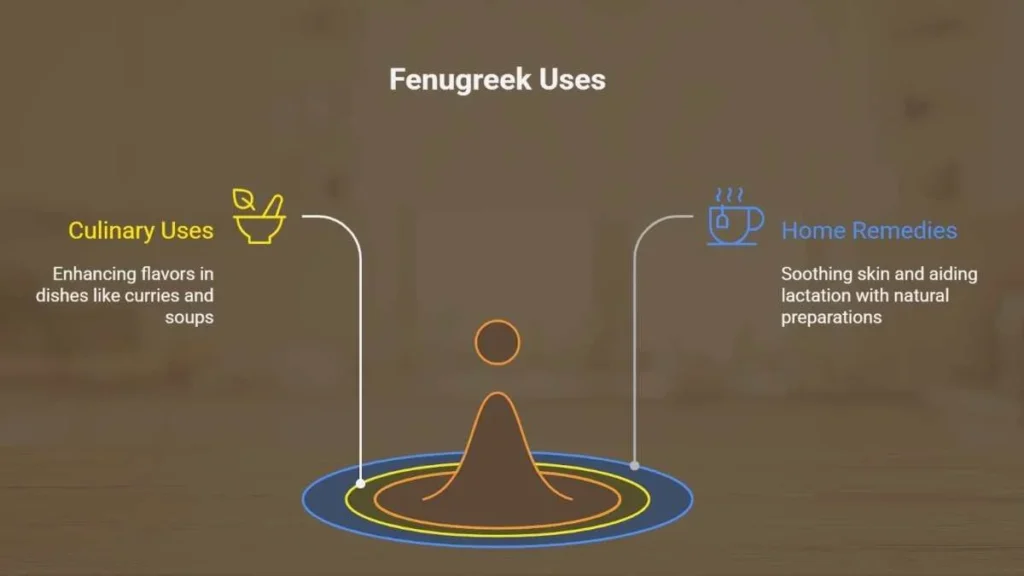
In the Kitchen
- Roast seeds before grinding to soften bitterness.
- Add to curries, soups, and stews.
- Use fresh or dried leaves to flavor bread, rice, or vegetables.
As a Home Remedy
- Fenugreek tea: Steep soaked seeds in hot water.
- Skin mask: Apply a paste of soaked seeds for soothing effects.
- Lactation aid: Taken as capsules or teas under guidance.
FAQs
Is foenegriek safe for children?
Yes, in small culinary amounts, but supplements should be avoided without medical advice.
Can foenegriek help with hair growth?
Some traditional remedies use it for scalp health, though evidence is limited.
What’s the best way to reduce foenegriek bitterness?
Lightly dry-roasting the seeds before use mellows their flavor.
Conclusion
Foenegriek, the Dutch name for fenugreek (Trigonella foenum-graecum), represents a unique blend of flavor, nutrition, and healing. Its seeds and leaves are deeply embedded in global food traditions while continuing to inspire modern science with their therapeutic potential.
Whether enjoyed as a seasoning in curry, brewed into tea, or taken as a supplement, foenegriek proves itself a remarkable plant that unites heritage and health. In kitchens, farms, and wellness practices worldwide, it continues to remind us of nature’s enduring gift.


DualMedia Esports: Rising Force in Competitive Gaming

Uncuymaza: Top Private University in Mendoza

OnionPlay Explained: Free Movie Streaming Platform Guide

Swedish Bjudlunch: The Art of Relaxed Hosting

Fanquer Concept: New Era of Fan Engagement Platforms

VHSGJQM Framework for Business Efficiency & Growth

Pravi Celer: Health Benefits, Uses & Nutrition Guide

Enntal Framework: Smarter Living in a Digital World

Cinndymovies Explained: Risks, Legality & Safety Guide

Provascin Review: Heart & Glucose Support Formula

TxMyZone Review 2026: Powerful Networking Redefined

Picada Food: From Sharing Boards to Rich Sauces

Pyjamaspapper: Stylish Comfort Meets Cozy Living Trend

Katy Davis Suffield Profile: Success, Work & Impact

Geekzilla Podcast: Best Hub for Geek Discussions

Calibration Explained: Accurate Measurement Guide

MangaPill Explained: Free Manga Access Pros & Cons

How ins Reflects True Identity and Awareness

Snokido: Free Unblocked Online Games Play Instantly

What Is Milyom? The Emerging Digital Lifestyle & Creative Shift
-

 FRIENDSHIP MESSAGES8 months ago
100+ Heart Touching Sorry Messages for Friends
-

 ANNIVERSARY WISHES12 months ago
100+ Beautiful Engagement Anniversary Wishes Messages and Quotes
-

 BIRTHDAY WISHES11 months ago
300+ Happy Birthday Wishes for Brother | Heart Touching Happy Birthday Brother
-

 FRIENDSHIP MESSAGES8 months ago
80+ Emotional Friendship Messages & Quotes